
Kapilash Amrit Icon Kapilash Amrit Text
Nature's Masterpiece

More Than a Sweetener.

For thousands of years, honey has fascinated civilizations across the world. Long before modern food science existed, people recognized honey as something unique.

Its remarkable taste. Its natural preservation properties. Its versatility. Its ability to remain stable for years. Yet despite its simplicity, honey remains one of the most sophisticated natural foods produced by nature.

Every drop contains a complex combination of natural sugars, enzymes, minerals, amino acids, antioxidants, and aromatic compounds that together create its distinctive character. At Kapilash Amrit, we believe that understanding honey helps people appreciate the incredible natural journey behind every jar.
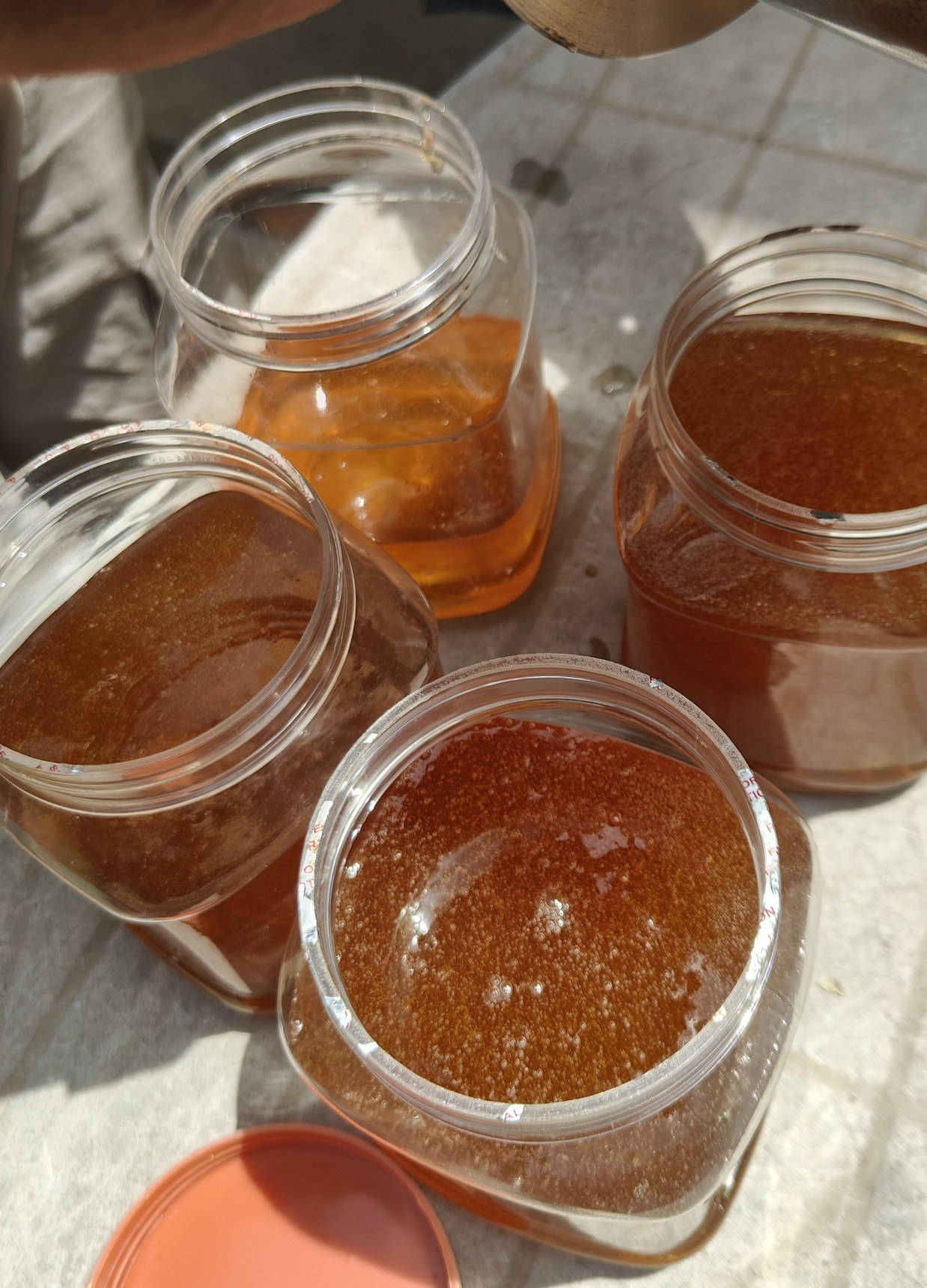
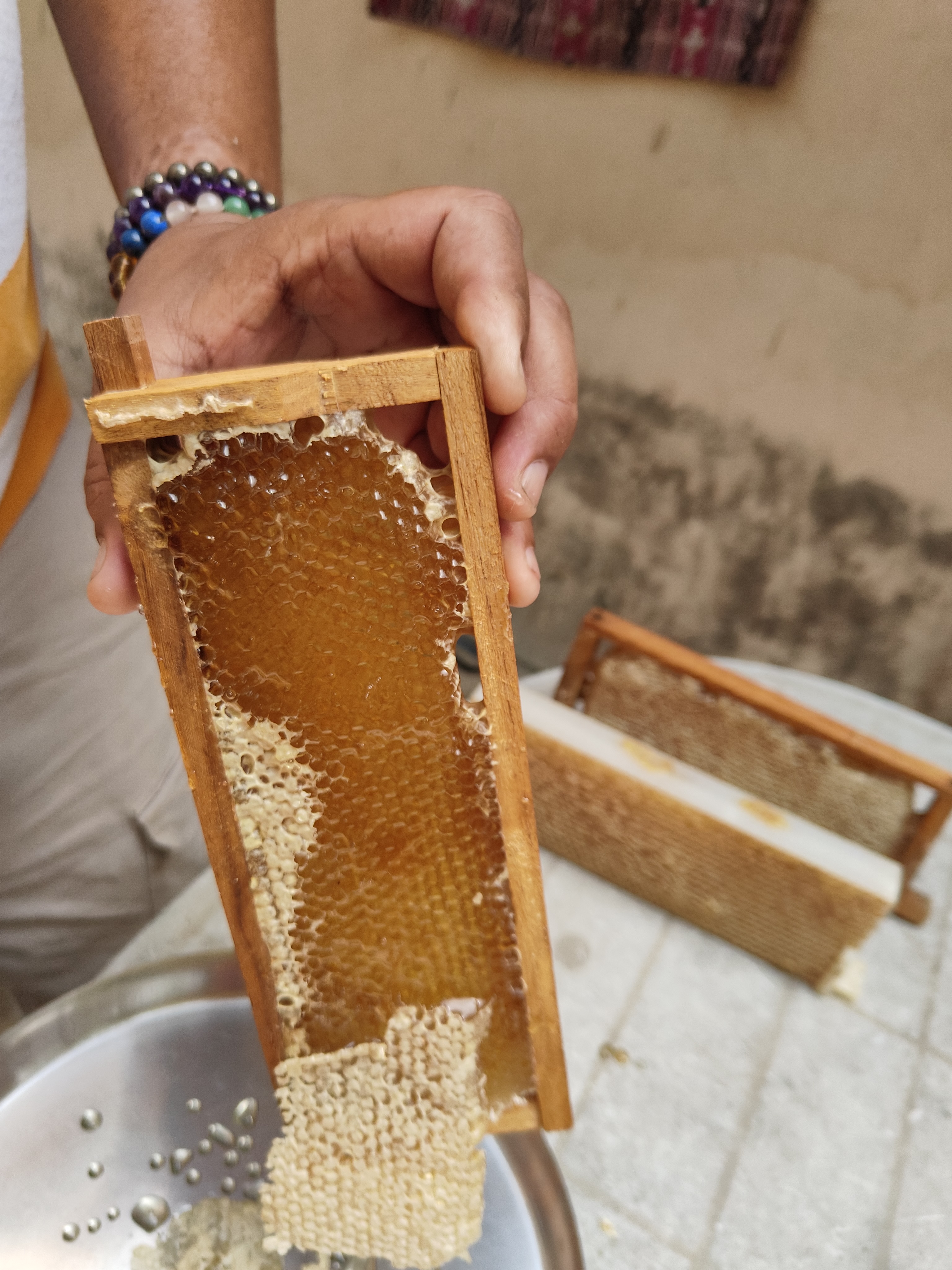
Macro shot of golden honey flowing
Perfect Food Storage

What Exactly Is Honey?

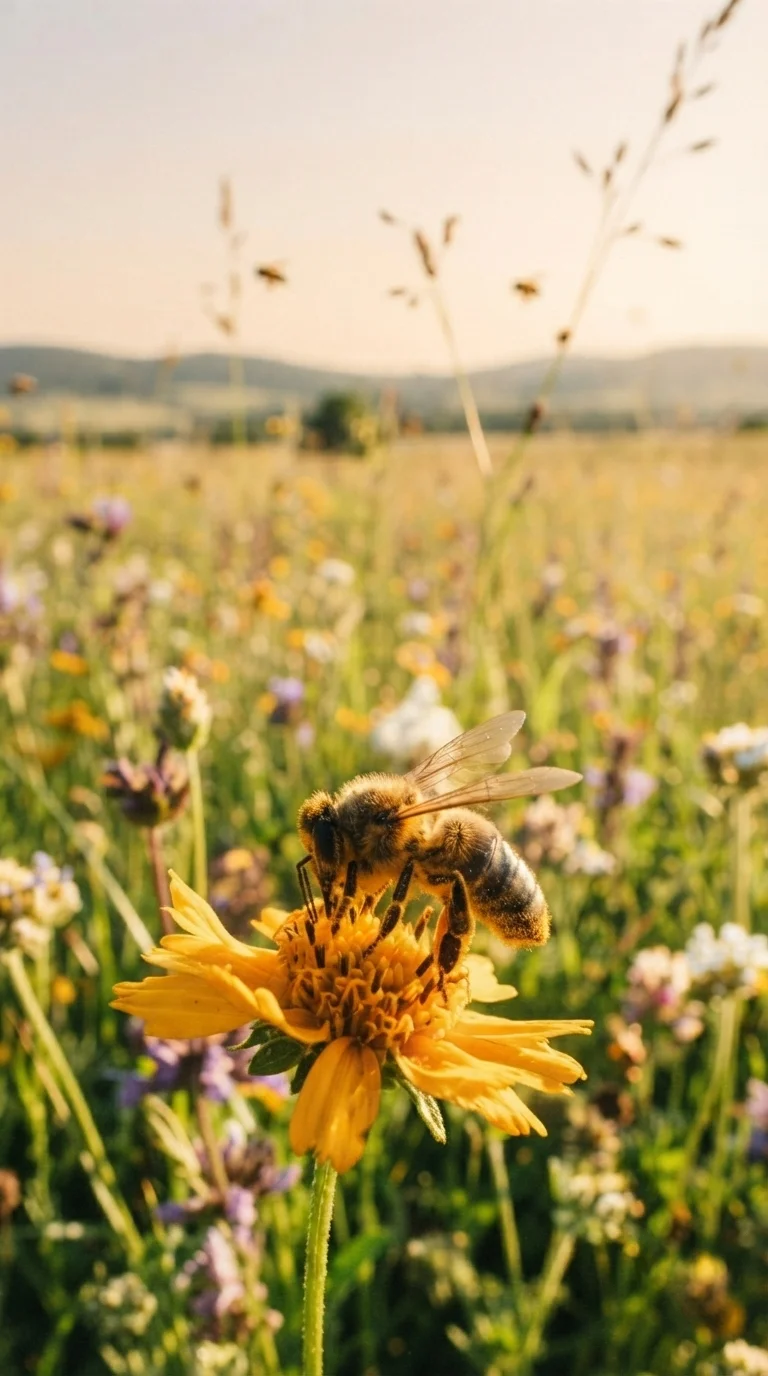
Honey is a naturally produced substance created by honeybees from the nectar of flowers. When bees collect nectar, it contains large amounts of water and complex sugars. Inside the hive, bees transform this nectar through natural enzymatic processes and moisture reduction.

The result is honey. A stable, concentrated food source that serves as the colony's long-term energy reserve. Unlike many processed foods, honey is not manufactured. It is created entirely through biological and natural processes developed over millions of years.

A Complex Natural Composition

Natural Sugars

The majority of honey consists of natural sugars, including Fructose, Glucose, Sucrose (small amounts), and Maltose. These provide honey with its sweetness and energy value.

Water & Moisture

Honey naturally contains a controlled amount of moisture which influences texture, flow characteristics, storage stability, and crystallization behavior.

Natural Enzymes

Honey contains enzymes introduced by bees during the honey-making process. These help transform nectar and contribute to its unique natural composition.

Organic Acids

Natural acids contribute to honey's flavor profile and help create its slightly acidic nature, influencing taste, aroma, stability, and complexity.

Minerals

Honey naturally contains trace amounts of Potassium, Calcium, Magnesium, Phosphorus, Iron, and Zinc. The exact mineral profile varies depending on floral sources.

Antioxidants

Honey contains plant-derived compounds that contribute to its color, aroma, and complexity. The concentration varies according to the flowers visited by the bees.

Diversity of flowers and nature
Nature Never Creates Copies

Why Every Honey Is Different

One of the most fascinating characteristics of honey is that no two harvests are exactly alike. The final product is influenced by flower species, season, weather, soil conditions, geographic location, bee activity, and environmental factors.

This means every batch carries its own unique identity. Honey is not designed for uniformity. It is designed by nature. And nature celebrates diversity.

The Role of Flowers

The flowers visited by bees play a major role in determining the characteristics of honey. Different flowers contribute different aromas, colors, flavors, textures, and natural compounds.

Some flowers produce lighter honey, while others create darker honey. The floral diversity surrounding Kapilash helps create honey with distinctive complexity and natural richness.

A Reflection of Biodiversity

Understanding Forest Honey

Forest honey is often valued because bees have access to a wider variety of nectar sources. Rather than depending primarily on a single crop, forest environments provide wild flowers, native plants, flowering trees, medicinal herbs, and natural ecosystems.

This diversity often contributes to greater complexity in flavor, aroma, and appearance. Every harvest reflects the landscape from which it originates.

Nature's Diverse Blend

Understanding Multiflora Honey

Multiflora honey is produced when bees collect nectar from many different flowering species. Instead of reflecting a single dominant flower, multiflora honey captures the combined influence of numerous blooms.

Characteristics may include balanced sweetness, complex aroma, and rich flavor profiles that shift with seasonal variation. Multiflora honey reflects the richness of an entire ecosystem.

A Sign of Nature

Why Honey Changes Color

Many consumers assume honey should always look the same. In reality, natural honey can vary significantly in color. Honey may appear Light Golden, Amber, Dark Amber, or Deep Brown.

The color depends largely on the floral source, season, natural compounds, mineral content, and environmental conditions. Color variation is a sign of authenticity rather than inconsistency.

A Misunderstood Process

Why Honey Crystallizes

Many people mistakenly believe crystallized honey has spoiled. In reality, crystallization is a completely natural process. It occurs because honey contains natural sugars that gradually form crystals over time.

Factors influencing crystallization include glucose content, storage temperature, floral source, and moisture content. Crystallization does not indicate poor quality. In many cases, it is a sign that the honey has not been excessively processed.

The Senses

Experiencing True Honey

Raw vs Processed

Not all honey reaches consumers in the same form. Highly processed honeys are heated and filtered for uniform appearance. At Kapilash Amrit, we focus on preserving natural character through minimal intervention, respecting nature's original work.

The Aroma

Before tasting honey, many people notice its aroma. Aroma is influenced by flowers, environment, and season. This provides a preview of the flavor experience to come and is nature's invisible signature.

The Texture

Texture varies naturally from one honey to another due to moisture levels, sugar composition, floral source, and temperature. Some honey flows quickly, while others move slowly—both natural expressions of its composition.

Kapilash Amrit Quality Honey
The Hidden Benefit

Honey and Pollination

Every jar of honey represents more than food production. It represents pollination. As bees collect nectar, they help plants reproduce. This process supports agriculture, forests, wildlife habitats, and biodiversity.

Honey production and environmental sustainability are closely connected. Supporting responsible beekeeping helps support pollination. Supporting pollination helps support nature.

Quality You Can Trust

At Kapilash Amrit, quality is monitored throughout the journey. This includes Hive Management, Responsible Harvesting, Careful Extraction Procedures, Laboratory Testing, and Hygienic Packaging Standards.

Our goal is to deliver honey that reflects the same care and attention invested throughout its production.

Scientific Foundation

Research & Authoritative References

Honey Quality Standards

  • Codex Alimentarius (FAO/WHO): Standard for Honey (CXS 12-1981). The international benchmark for raw honey composition and purity.
  • FSSAI (Government of India): Food Safety and Standards Regulations (2018). Specific criteria for moisture, HMF, and C4 sugar levels in Indian honey.
  • International Honey Commission (IHC): Harmonized methods for laboratory analysis of honey quality and enzymatic activity.

Ecosystem & Biodiversity

  • Forest Department, Odisha: Management & Conservation Plan for Kapilash Wildlife Sanctuary. Forage flora and deciduous forest mapping.
  • Journal of Apicultural Research: Physicochemical and Antioxidant Properties of Tropical Forest Honey. Analysis of wild floral nectar complexity.
  • ICIMOD: Beekeeping and Himalayan Biodiversity. Studies on the native Apis Cerana Indica and its role in ecosystem services.
PM
Expert Review

Priyabrat Mohanty

Priyabrat is the Founder and Chief Apiarist at Kapilash Amrit. With over 15 years of field experience in the Kapilash Wildlife Sanctuary, he specializes in Apis Cerana conservation and traditional cold-extraction methods. His work ensures that every batch of honey meets the highest scientific benchmarks for purity.

A Gift Created By Nature

Share the Remarkable Story

Honey is more than a sweetener. It is the result of millions of years of natural evolution. It is a collaboration between flowers, bees, ecosystems, and time. Every jar of Kapilash Amrit carries this remarkable story. A story preserved with care, ready to be shared with you.

Shop The Collection Health & Wellness

Authentic Raw Honey Benchmarks

ParameterStandard RangeWhy it Matters
Moisture Content17% - 19%Natural thickness and prevention of fermentation.
Diastase Activity> 8 Schade unitsIndicates the presence of live, beneficial enzymes.
HMF Level< 40 mg/kgEnsures the honey has not been damaged by heat.